Are Nightmares Linked to Stress?
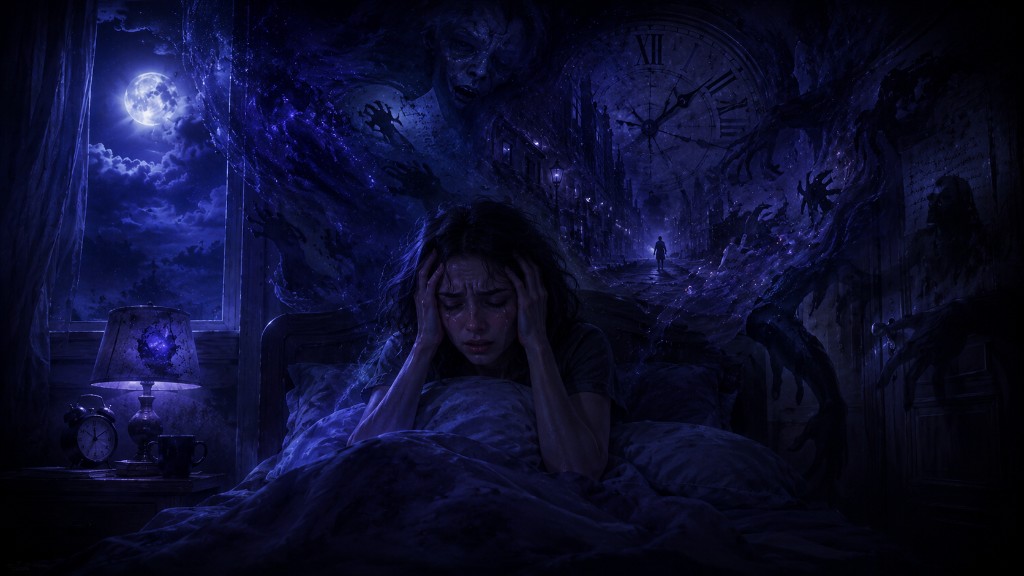
Stress tinkers with sleep architecture, arousal before bed, and how vividly you recall unpleasant plots. Nightmares are not cosmic verdicts—they can be alarm bells worth listening to kindly.
Why it happens / core meaning
Elevated stress often pairs with fragmented sleep and heightened limbic chatter—dreams absorb that voltage as monsters, pursuits, calamities.
Uncertainty—not only workload—fuels nightmares: relationship ambiguity, health scares, political dread, financial fog.
Common variations
Trauma nightmares differ from generalized anxiety loops—clinical care changes the plan; symbolism alone is risky.
Medication shifts, caffeine, alcohol, illnesses with fever—all can spike disturbing imagery temporarily.
Children and teens process stress vividly; caregivers should prioritize safety and professional help when nightmares block rest.
Emotional context
Morning shame compounds distress—remember nightmares do not certify weakness.
Social support and body regulation routines often calm nightmare frequency sooner than obsessive interpretation alone.
Reflection questions
What daytime stress peaked before this nightmare?
Did pacing differ—panic versus dread versus disgust?
What humane regulation tools did I underestimate—therapy, meds consult, sensory routines?
How many nights disrupted before I escalate care?
What gentle morning ritual reduces rumination?
Related dream topics
Interpret your dream with AI
Bring your own description—DreamVis returns symbolic and emotional themes for reflection.
Interpret My DreamDisclaimer: Dream interpretation on DreamVis is for reflection and entertainment, not medical or psychological advice. It does not replace care from licensed professionals.